Built & Backyard is reader-supported: we may earn a commission from qualifying purchases made through links on this page, at no extra cost to you.
Blinds are the one thing in a smart home you still walk over and operate by hand, twice a day, every day — open in the morning, closed at night, tilted against the afternoon sun in between. Motorized shades end that, but the real payoff isn’t laziness. It’s the schedule: shades that open with the sunrise to warm the house in winter, drop against the west sun in summer before the air conditioner fights it, and close at dusk for privacy whether you’re home or not. Paired with the thermostat and lighting you already run, blinds are the piece that makes the house feel like it’s managing itself. Here’s the honest way in — full motorized shades where they matter, and a cheap retrofit for everywhere else.
Quick answer
Don’t motorize every window — motorize the ones you touch daily. Start with full motorized shades in the living room and primary bedroom, where the sun and privacy payoff is biggest, and use a retrofit tilt controller on the blinds you already own everywhere else; it motorizes the tilt for a fraction of a new shade. Put blackout fabric in bedrooms (sleep quality is the upgrade you feel first) and light-filtering in living areas. Buy into the same voice platform as your lights and thermostat so one “goodnight” routine closes the shades, locks up and sets the temperature.
The three ways in, cheapest first
Retrofit the blinds you own. A tilt controller clips onto the headrail of standard horizontal blinds and turns the slats on a schedule or by voice. The blinds don’t rise and fall, but tilt is where the light control actually lives — this is 80% of the benefit for about 10% of the cost of new shades.
Full motorized shades, room by room. Roller or cellular shades with a built-in motor: they rise, lower and stop anywhere, run on rechargeable batteries for months, and need no wiring. This is the finished look, and the price is why you do the two rooms that matter instead of the whole house at once.
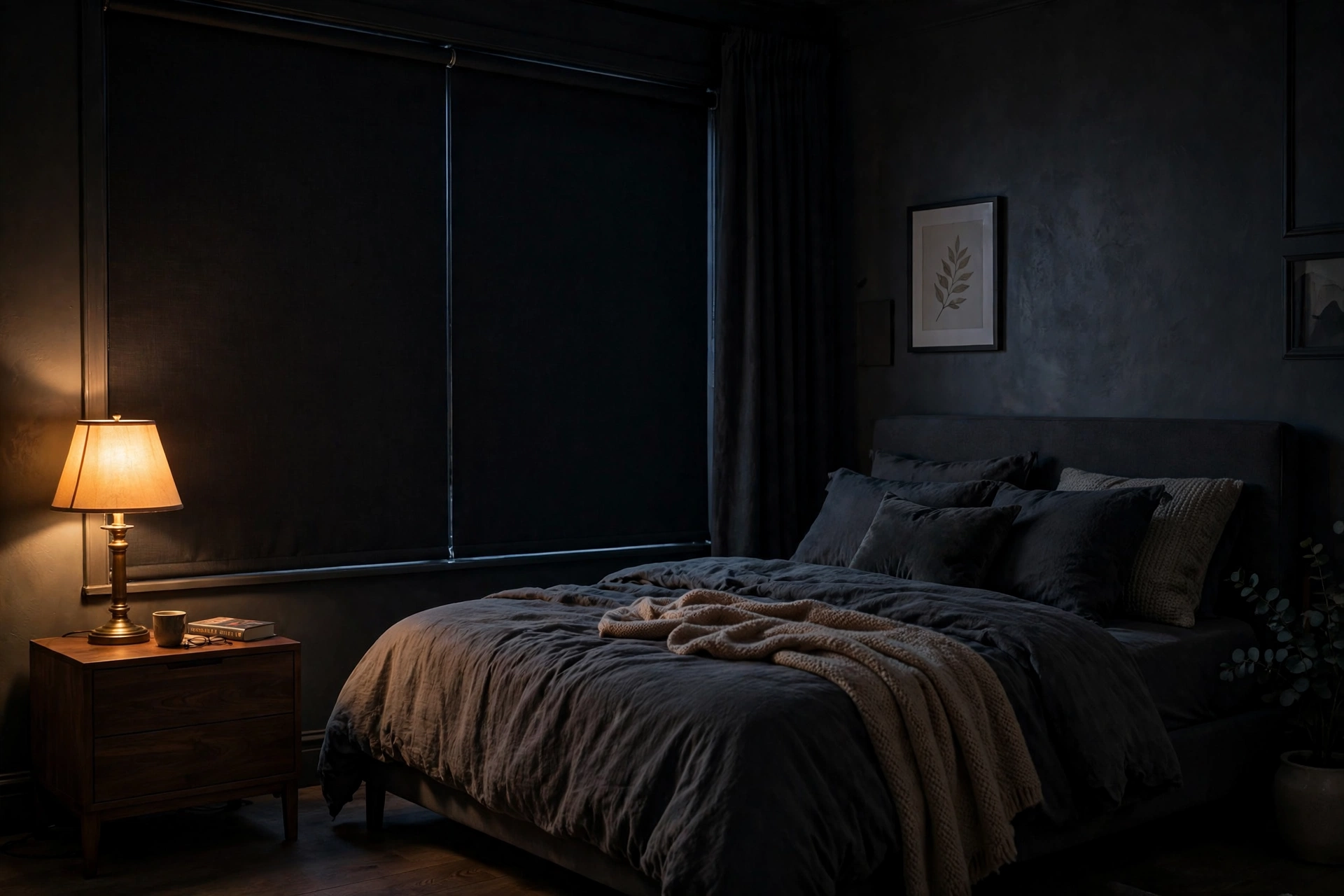
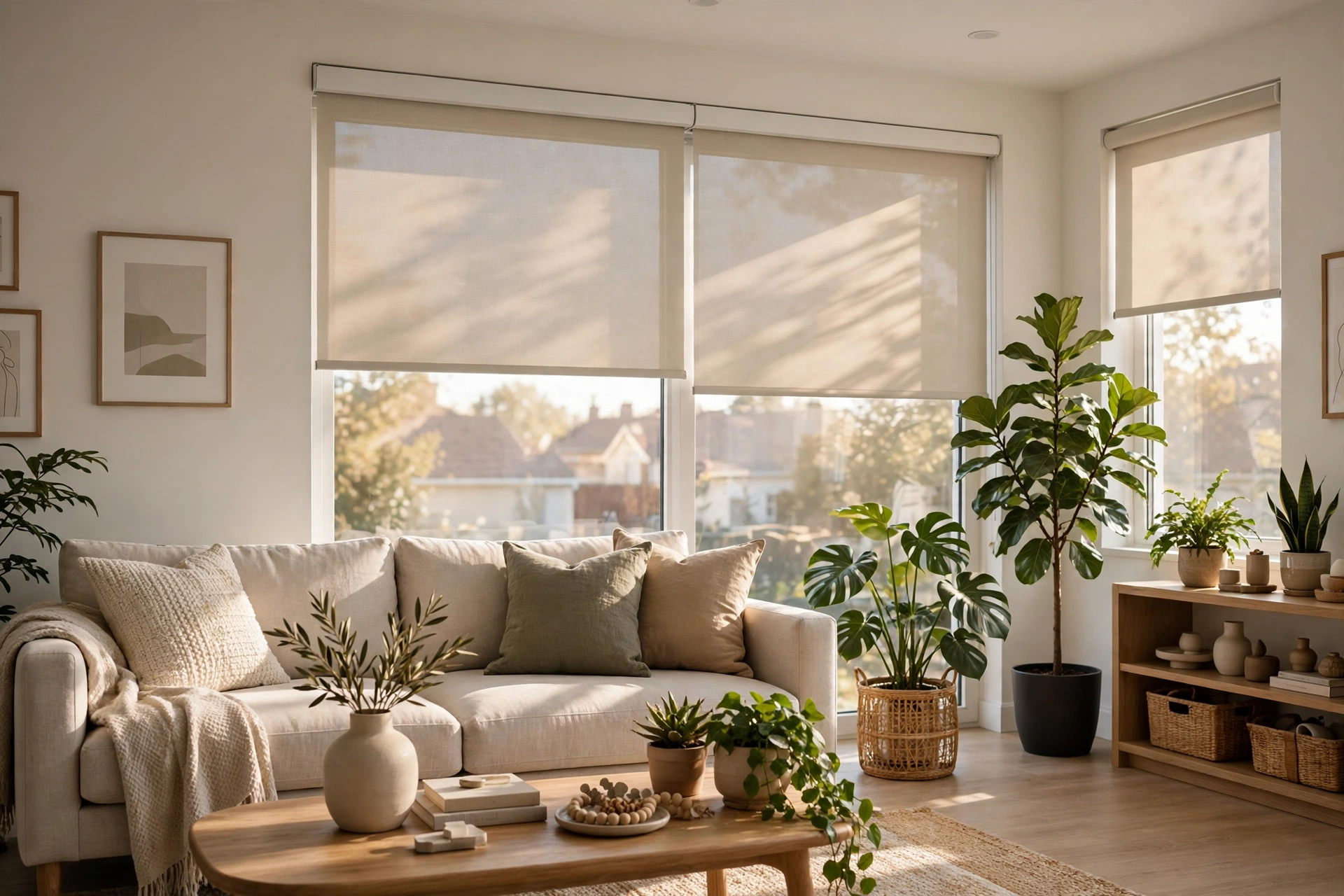
Blackout where you sleep. A motorized shade is only as good as its fabric. Bedrooms want true blackout (streetlights and early summer sun are sleep thieves); living rooms want light-filtering, which kills glare and keeps the view soft instead of sealing the room like a cave.
The picks
Motorized smart shades (roller, rechargeable) — The full upgrade: quiet motor, remote and app control, schedules for sunrise and dusk, and a battery that goes months between charges. Measure inside-mount width carefully — a shade that’s a quarter-inch wide is a return, not a shade.
→ Click here to check price on Amazon
Smart blind tilt controller (retrofit kit) — The budget star: clips onto the blinds already hanging in most of the house and motorizes the slat tilt — scheduled against the afternoon sun, voice-controlled at night. Solar charging on most models means it installs once and is forgotten.
→ Click here to check price on Amazon
Blackout motorized shades for bedrooms — The sleep upgrade: true blackout fabric on a motor, so the room goes properly dark at bedtime and opens itself with your alarm. Side channels or a close inside mount matter as much as the fabric — light leaks at the edges, not through the shade.
→ Click here to check price on Amazon
Smart thermostat (the shades’ partner) — Already on our gear hub from the Smart Thermostat Guide: shades that drop against the summer sun and open to winter sun only pay off fully when the thermostat is on the same routine. Together they’re the two halves of the house’s energy brain.
→ Click here to check price on Amazon
Smart lighting & plugs — Already on our gear hub from the Smart Lighting Guide: the dusk routine that closes the shades should also bring the lamps up — one command, and the house settles in for the night. If your shades and lights live on the same platform, this takes five minutes to set.
→ Click here to check price on Amazon
Setup notes that decide whether it works
Measure twice, in three places. Windows are rarely square. Measure the inside width at the top, middle and bottom and order to the smallest — and decide inside vs. outside mount before you order, because they measure differently. This is the step every bad review skipped.
Schedule the sun, not the clock. The best routines track sunrise and sunset (every major platform offers it), so the shades drift with the seasons instead of fighting them. West-facing glass gets its own earlier close in summer — that’s where the cooling money is.
Keep a manual override the family accepts. A simple remote on the coffee table or the wall switch by the door keeps everyone using the system instead of fighting it. A smart home the family resents gets unplugged — shades included.
Leave a Reply